


When ideas fail – and precisely why good start-ups begin here
The Growmorrow Festival pursues a clear intention: not to negotiate the future as an abstract promise, but as a concrete task to be shaped – anchored regionally, reflected upon socially, and in dialogue between business, science, politics and the start-up scene. On 16 April, this aspiration was brought to life in Bremen's energy control centre: with over 60 speakers and more than 800 expected visitors the festival developed into a central meeting place for the North German future and start-up scene.
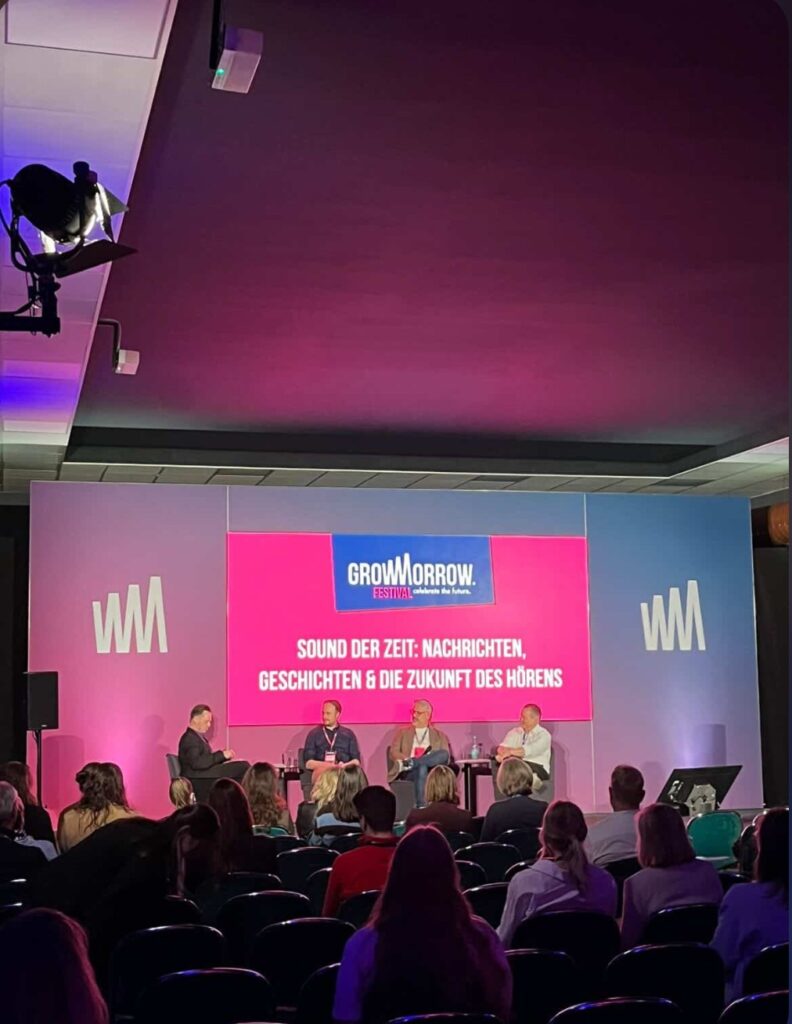
One of the panels that made this claim particularly clear was entitled: „Why good ideas fail – and how successful startups are still created“. On stage, Meike Goos from BRIDGE (University of Bremen), Justinian Gomez Moreno from Andenkraft, and Karin Tanger of Visionskultur. The discussion was moderated by Holger Bloem (Nordwest-Zeitung).
Failure often starts before the market
Key insight from the panel: Start-ups often fail long before they even fail to find customers. The critical point frequently lies earlier – right where there is a lack of inner clarity. Clarity about why the business is being started in the first place, what motivation sustains it, and what realistic goal is being pursued.
In doing so, Karin Tanger particularly emphasised two factors that are frequently underestimated in the startup process: Passion for the subject and Perseverance. What is crucial is not that both are maximally developed, but that they are honestly assessed. Depending on the level of development, the founding goal must also differ. Not every idea has to be scaled, not every startup necessarily has to grow. What is crucial is the fit between person, idea and goal.
The role of vision culture in the startup ecosystem
At this point, the role of vision culture within the Bremen startup ecosystem also became visible. Vision culture was not only represented in terms of content at the Growmorrow Festival, but was also among the official network partners and supporters of the event.
While many funding programmes only start with fully developed concepts or robust business models, Visionskultur consciously opens access earlier. Founders with still vague ideas are also accepted. The focus here is less on standardised programmes than on individual support.
In coaching and consultancy sessions, Visionskultur works closely with founders to sharpen motives, clarify expectations and define realistic pathways for development. It is precisely this early-stage engagement that can prevent ideas from failing before they have even had the chance to test themselves in the market.
The panel itself was characterised by an open, focused conversational atmosphere. The moderation guided the discussion clearly and in depth, and the audience participated with visible interest. It became clear that failure is no taboo, but a necessary part of learning and development processes.
A festival for stance and dialogue
The panel was embedded in a festival that deliberately focused on journalistic quality and social context. Further highlights included the keynotes by Richard David Precht, who spoke about the future, artificial intelligence and responsibility, as well as Sabine Asgodom, who concluded by turning her focus to security and a sense of ease in times of change.
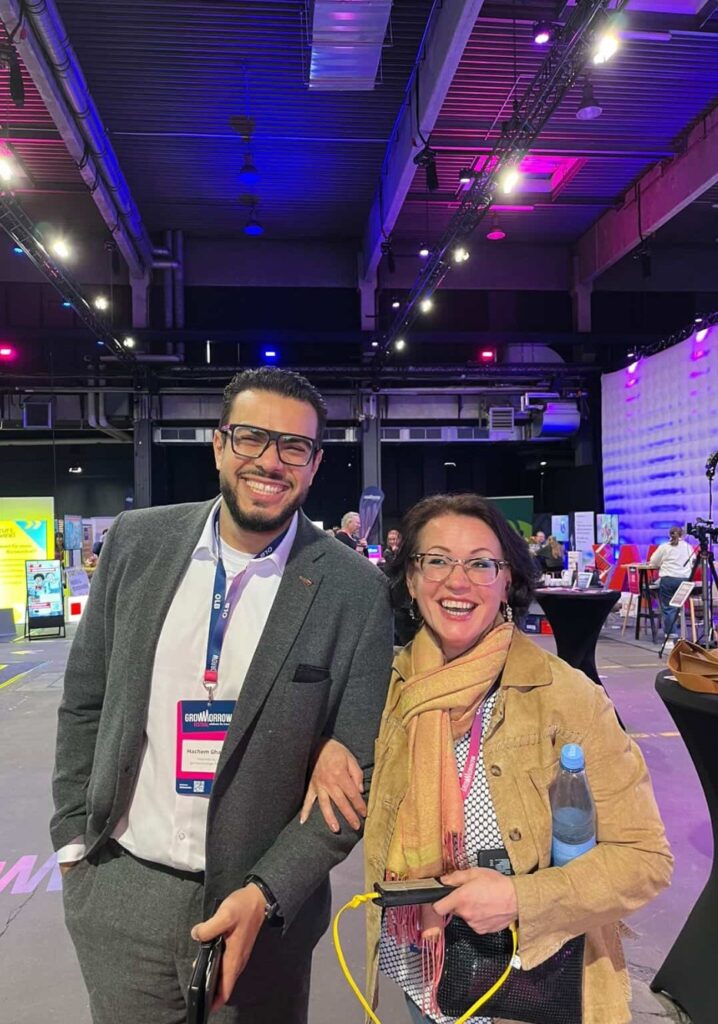
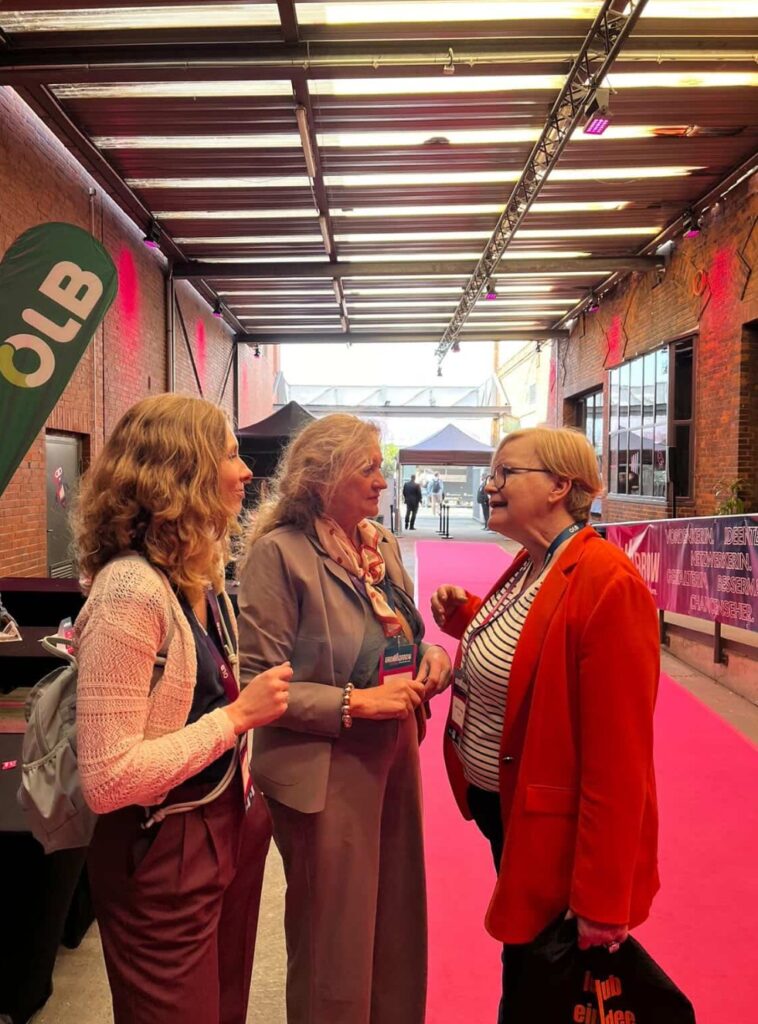
An accompanying exhibition of regional businesses and initiatives, alongside numerous interactions on the fringes of the stages, made the Growmorrow Festival a venue for intense exchange. Throughout the day, a wide range of conversations and new contacts emerged between founders, established players, funding institutions and other stakeholders in the start-up ecosystem.
Visual post-match coverage with Film‑ and visual material is on the festival website under growmorrow.de available and provides further impressions of the programme, atmosphere and participants.
Conclusion
For Visionskultur, the Growmorrow Festival was not only a place for positioning, but also for encounters. Numerous projects from its own network were present as guests, existing relationships were deepened and new starting points for collaboration emerged.
All in all, it was a day that showed how valuable peer-to-peer exchange is – and how important spaces are where entrepreneurship is not simplified, but discussed honestly and in a nuanced way.
A day that was truly worth it.