


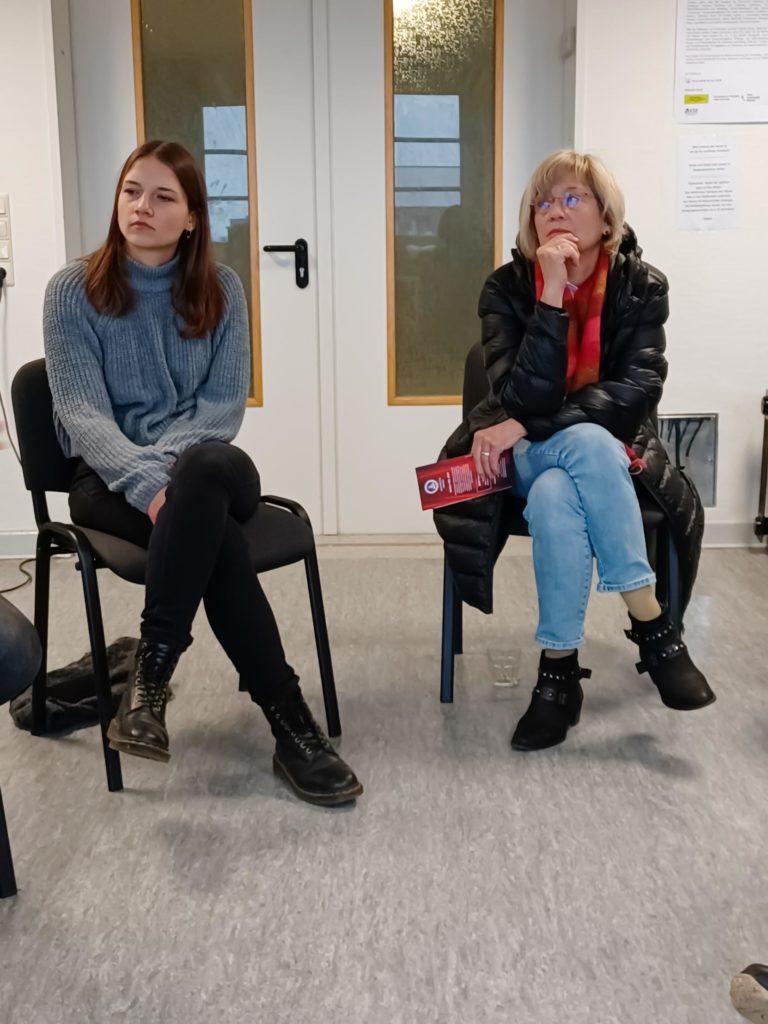
Even before „Culture Crossroads meets Christmas“ kicked off at the Creative Hub on Saturday 10 December, we gathered with selected experts to discuss the significance and development of volunteering. Our guests were Lena Blum (Volunteer Agency), Libuse Cerna (Global Literature Festival) and Regine Köber (Senator for Social Affairs). Moderated by Marc Fucke, we engaged in an open exchange with the visitors that quickly gained momentum and—thanks to the diversity of the participants—shed light on a multitude of perspectives.
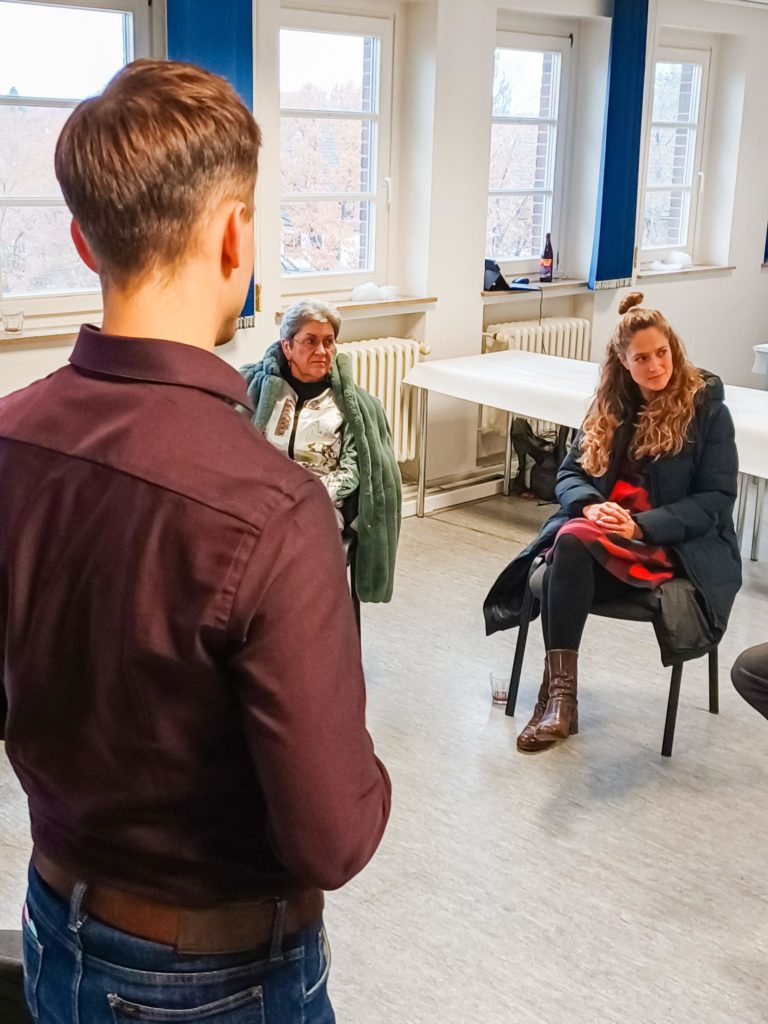
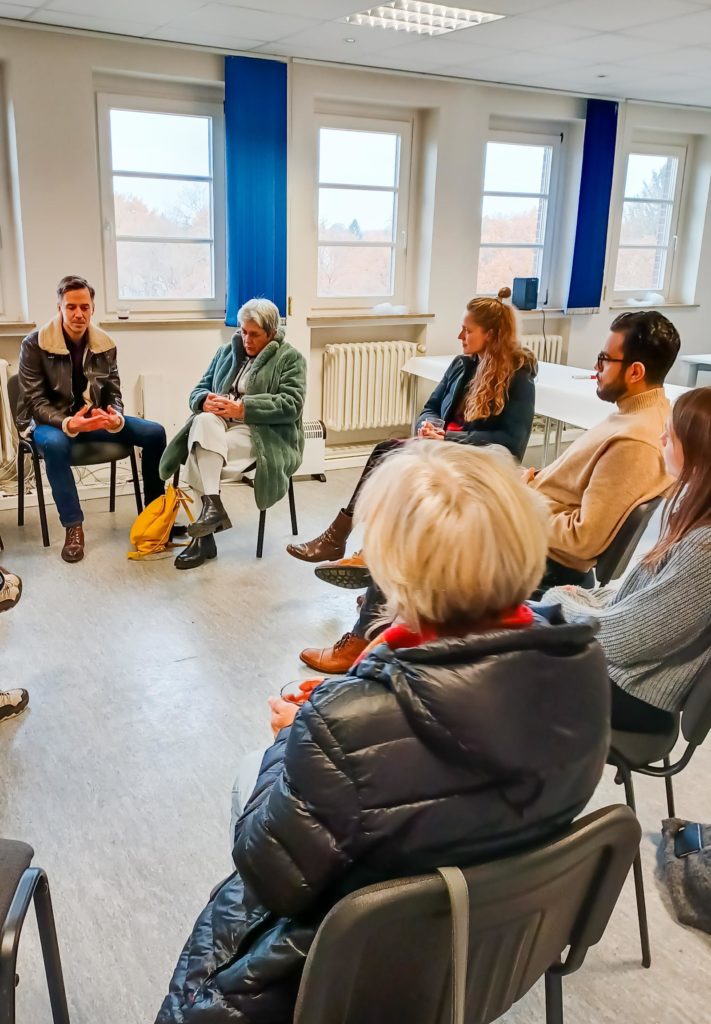
“Bremen is a city with an enormous number of topics – I don't even know where to begin” (Lena Blum). The invitation by Visionskultur to the Creative Hub was thus intended as a starting point to develop new ideas on how citizens, politicians, associations and institutions can strengthen the role of volunteering and make social engagement fit for the future.
To begin with, it is of course necessary to take a look at the needs and current challenges: how can project financing be coordinated and made accessible even to the „inexpensive“? Are there ways to remain capable of action despite limited resources? As well as, apart from the acutely practical, the overarching, central question: how can individual commitment be recognised? What is necessary to attract new blood?
Important aspects, however, are also how political support can be provided and what structural measures are needed (e.g. tax deductions). In particular, the diversity inherent in the definition of volunteering is a factor that makes an exchange between the various areas in which volunteering plays an important role necessary. Associated with this is also the challenge of quality control and assurance, which represents an important element for the distribution of financial appreciation for the work.
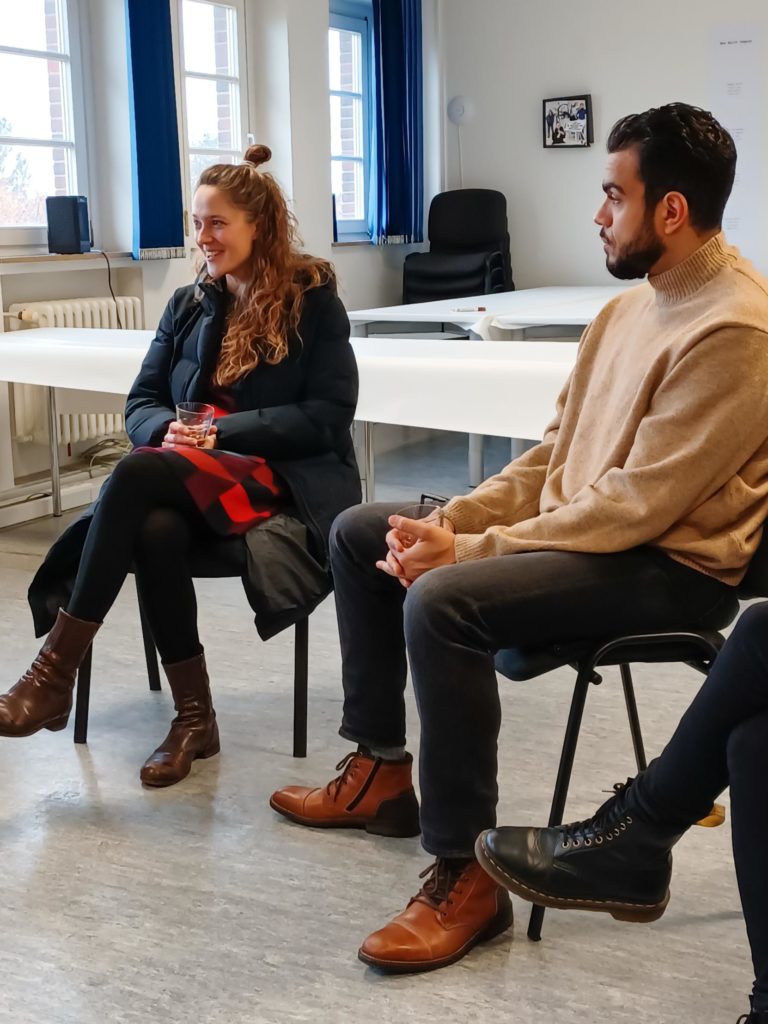

During the two-hour session, we worked together to develop a number of approaches because, as Libuse Cerna knows, „The city of Bremen is built on people getting involved“
Alongside the call for seed funding, concepts for institutionalised involvement were discussed. For example, how about integrating volunteering as a matter of course into the education system at school?
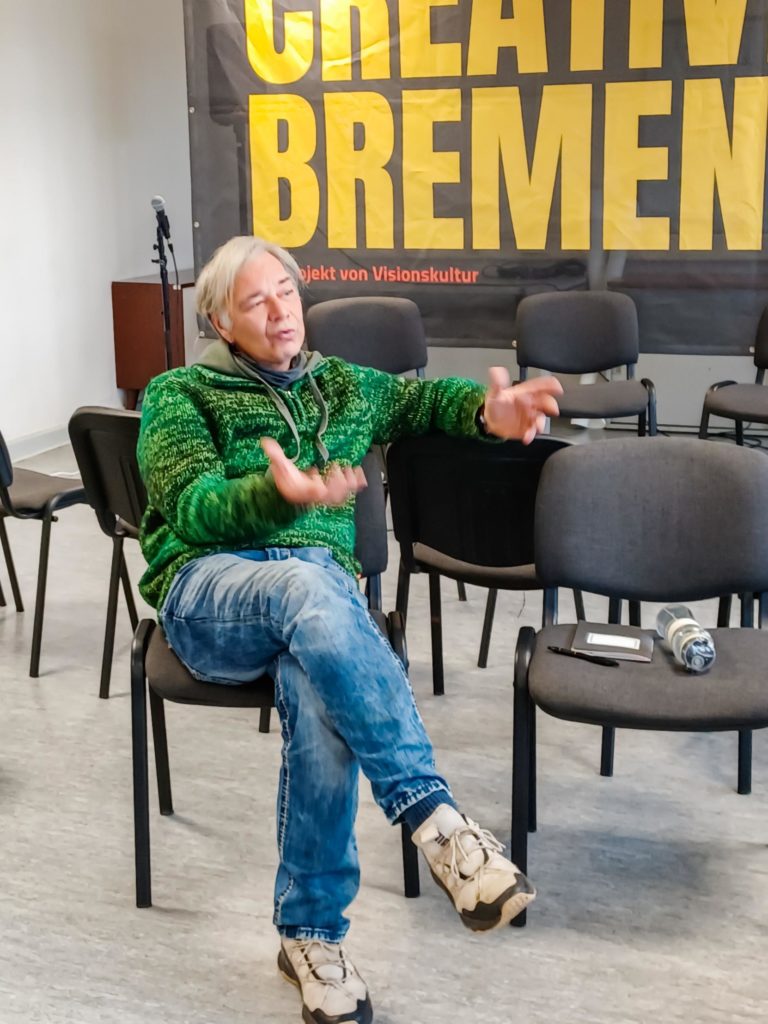
Another important topic: How can digital communication channels be used to take action in the analog world?
Because despite various debates, the participants in the discussion panels agree: we need easier access and channeled communication channels.
For this, we are thinking, for example, of a congress of migrant organisations in Bremen as well as a first-steps social media workshop for socially engaged organisations to offer support in increasing their visibility.
We thank the lively group and are pleased with the starting points that have emerged here, and look forward with confidence to taking up and implementing some concepts together.

